

PFSAS 2026
What Are PFAS and How Do They Affect Us? If you’ve been hearing more about PFAS in the news, you’re not alone. These chemicals have become a growing concern across…

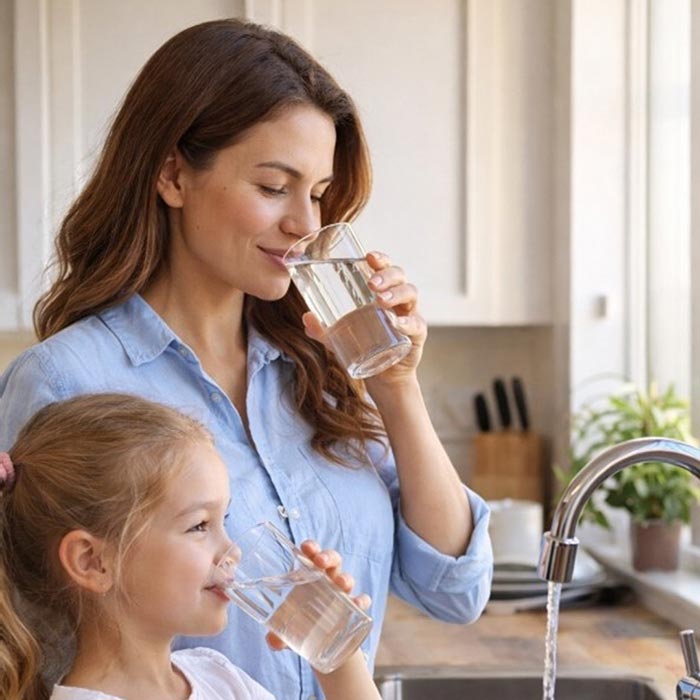
What Are PFAS and How Do They Affect Us? If you’ve been hearing more about PFAS in the news, you’re not alone. These chemicals have become a growing concern across…
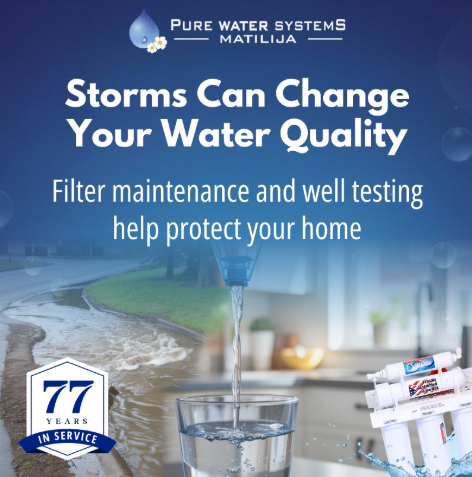
Recent storms and heavy rainfall across many areas have raised concerns about water quality for homeowners. Whether your home relies on municipal water or a private well, storms can introduce…
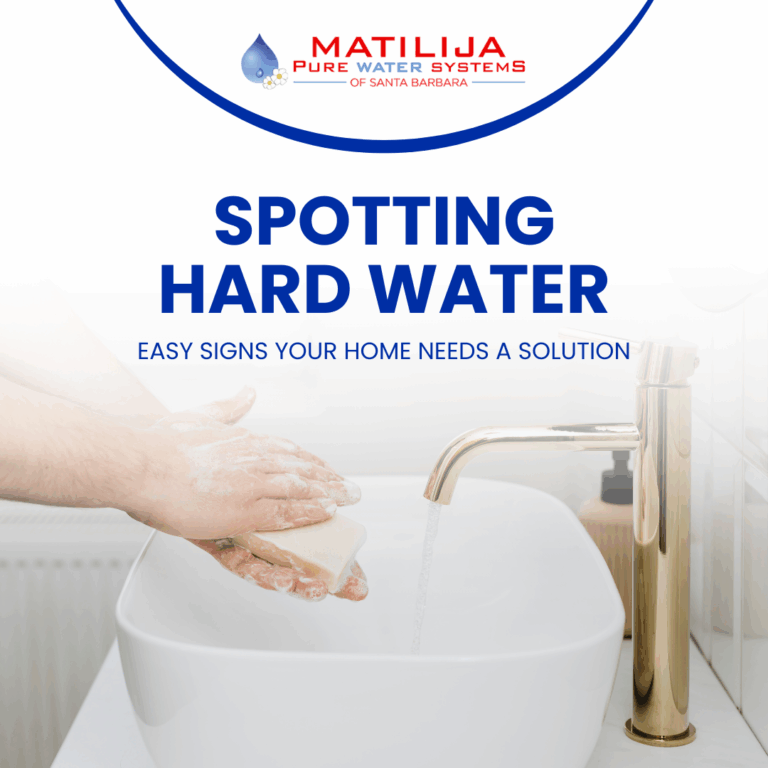
You step out of the shower feeling less than refreshed. Your skin feels tight and dry, your hair seems lifeless, and no matter how much you scrub, that ring around…
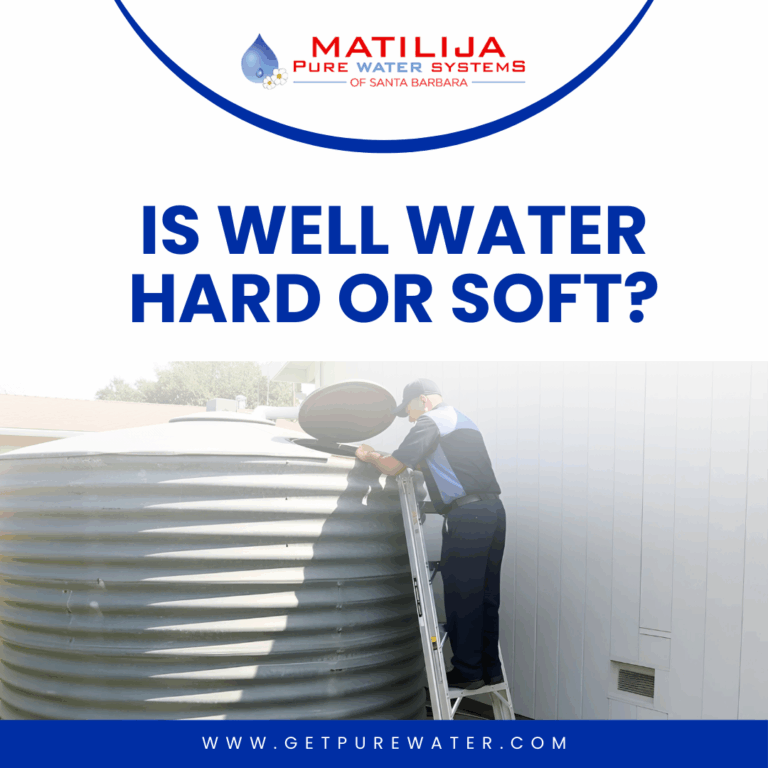
Homeowners relying on well water often ask an important question: Is well water typically hard or soft? The simple answer is: well water is always hard. Several factors influence the…

The recently published 2025 Annual Water Quality Report from the City of Santa Barbara confirms the city’s ongoing commitment to providing safe drinking water that meets all state and federal…
The Central Coast Regional Water Quality Control Board is providing free water quality testing for residents that get their drinking water from domestic wells to inform them about potential health…
Reverse osmosis is one of the most effective forms of water filtration. It works by pushing water through a microscopically small filter material. This semi-permeable membrane has a pore size…

You may not recognize the name PFAS, short for poly and perfluoroalkyl substances, but you likely have come into contact with it regularly, maybe multiple times a day. You might…

Santa Barbara and Ventura Counties are known for notoriously hard water Hard water problems can be a real hassle, especially for homeowners who may be unfamiliar with the issues it causes.
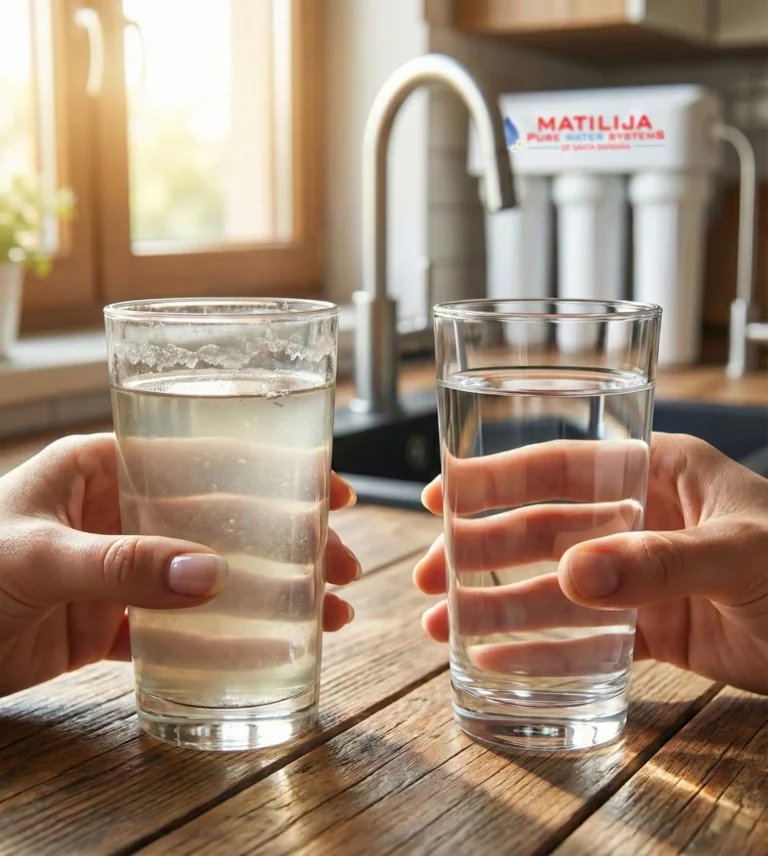
Total dissolved solids (TDS) are dissolved substances that get into your water supply from natural and human sources. They include calcium, nitrates, chlorides and more. High levels of TDS can…

Just moved into a home with a private well? Or considering buying a property with an existing well? The below might be of interest to you. What Is Well Water?…

Filtered vs. Bottled Water – Which is Best?
Drinking Water, Drinking Water System, Reverse Osmosis | By: admin
“Drink more water … drink more water.” It’s a common message in the media these days, especially since drinking water has been proven to have many health benefits. What many people don’t know, however, is that hidden contaminants in the water they drink could actually be sabotaging their health instead of improving it.

We’ve finally learned our lesson. Drinking more water is a smart and healthy decision! But, you still have a lot of choices when it comes to what kind of water you drink. Bottled? Distilled? Natural spring water? Tap water?
What’s in your drinking water? Whether you’re wondering if your water is safe or just what that weird smell is, a new tool is now available that could help.

Chlorines health effects have been debated for decades. However, most experts now agree that there are some significant health risks related to chlorinated water as well as the chlorinated by-products.

Trihalomethanes (THMs), byproducts from chlorination, appear to increase significantly in the bloodstream after showering, says a study by researchers at the University of North Carolina (UNC) at Chapel Hill School of Public Health.
