



Storms Can Affect Your Water Supply
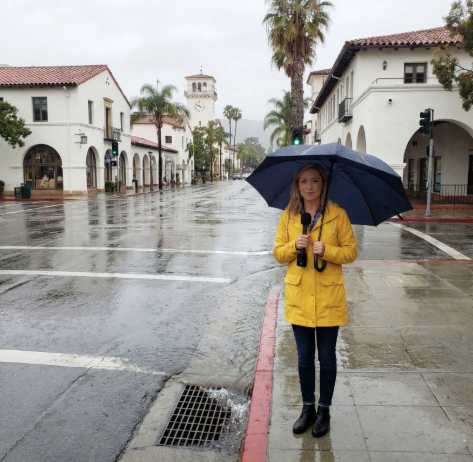
Recent storms and heavy rainfall across many areas have raised concerns about water quality for homeowners. Whether your home relies on municipal water or a private well, storms can introduce contaminants, disrupt filtration systems, and impact the safety of your drinking water. Understanding the risks – and taking proactive steps – can help protect your family and your home.
How Storms Can Affect Your Water Supply
1. Increased Contaminants in Water Sources
Heavy rain and flooding can wash debris, chemicals, sediment, and bacteria into water sources. This can overwhelm treatment systems and affect water clarity, taste, and safety.
2. Well Water Vulnerability
Homes with private wells are especially at risk. Floodwater can seep into wells, introducing bacteria, nitrates, and other harmful contaminants that are not visible or detectable by taste alone.
3. Strain on Filtration Systems
Storm-related sediment and debris can clog filters faster than normal, reducing effectiveness and allowing contaminants to pass through.
Signs Your Water May Be Affected
- Cloudy or discolored water
- Unusual taste or odor
- Reduced water pressure
- Filters clogging faster than usual
If you notice any of these signs after a storm, it’s important to take action quickly.
Steps Homeowners Should Take After Heavy Storms
Change Filters More Frequently
After storms, filters may capture more sediment and contaminants than usual. Replacing or inspecting filters sooner than your normal schedule can help maintain water quality and system performance.
Test Well Water
For well water users, professional water testing after major storms is highly recommended. Testing helps identify bacteria, nitrates, and other contaminants that may pose health risks.
Inspect Your Water System
Check for visible damage, leaks, or unusual performance in your filtration or conditioning system.
Consider a Water Quality Assessment
If storms are frequent in your area, a water quality assessment can help ensure your system is properly sized and configured to handle changing conditions.
**After a Power Outage, Always Check Your Water Softener
Storms don’t just affect water sources. Power outages can also interrupt your water softener’s settings.
When power is lost, many systems may stop regenerating correctly or revert to default settings. This can leave your home with hard water until the system is reset.
After any outage, it’s a good idea to:
• Check that your water softener has power
• Confirm the time and settings are correct
• Make sure the system is back in normal operation
A quick check can help ensure your soft water system is doing its job and protecting your plumbing, appliances, and fixtures.
Protecting Your Water, Year-Round
Storms are unpredictable, but your water quality doesn’t have to be. Routine maintenance, proper filtration, and regular testing are the best ways to ensure clean, safe water for your home – no matter the weather.
Matilija Pure Water Systems is here to help homeowners protect their water supply with reliable filtration, conditioning systems, and expert guidance.

About The Author: Matilija Pure Water Systems has served Santa Barbara and Ventura counties since 1948, specializing in state-of-the-art reverse osmosis drinking systems, efficient water softeners, and comprehensive whole home water filtration systems. Call 805-963-7873 for free in-home water testing and personalized solutions. Follow us on Facebook and Instagram for ongoing updates.